


REPORT CARD
Coastal-Marine Zone
Tabasco 2025
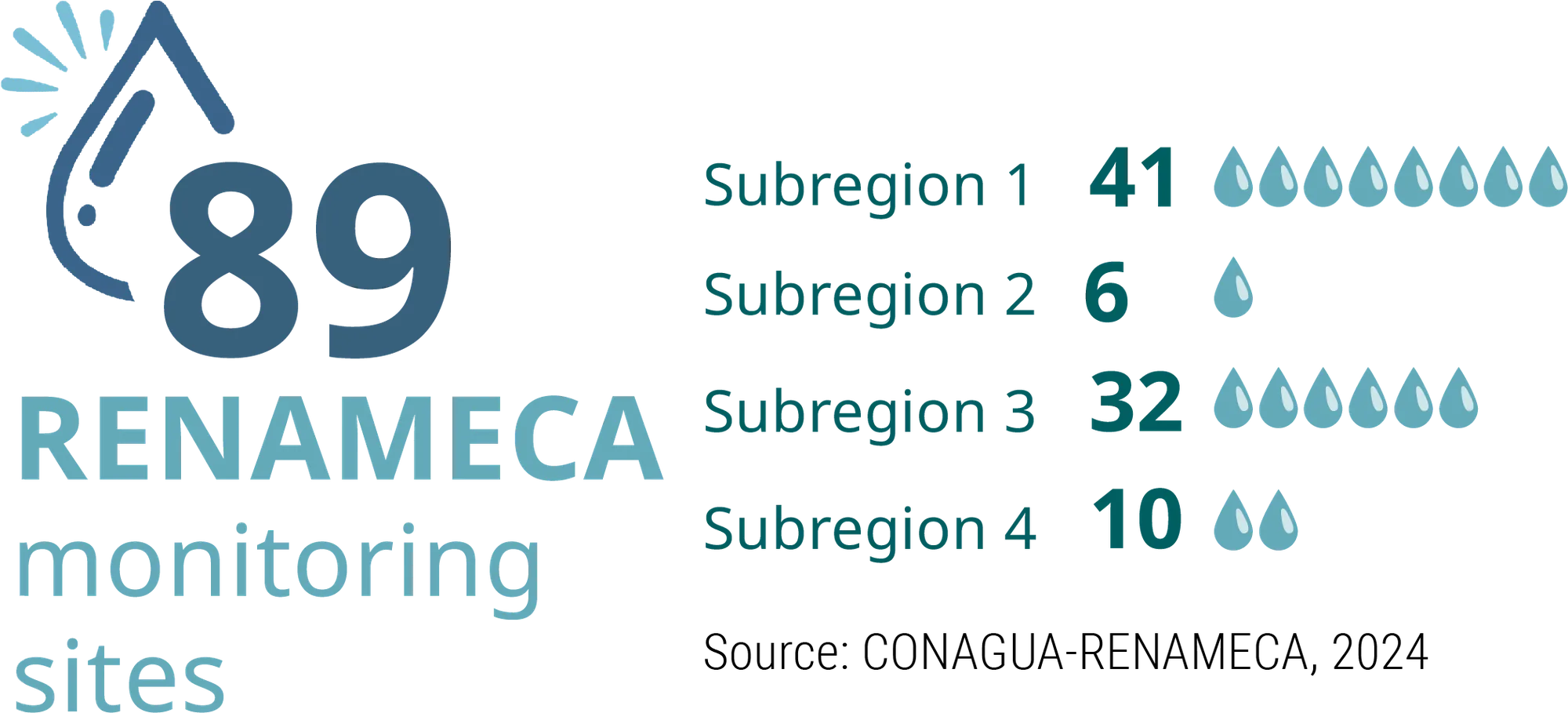
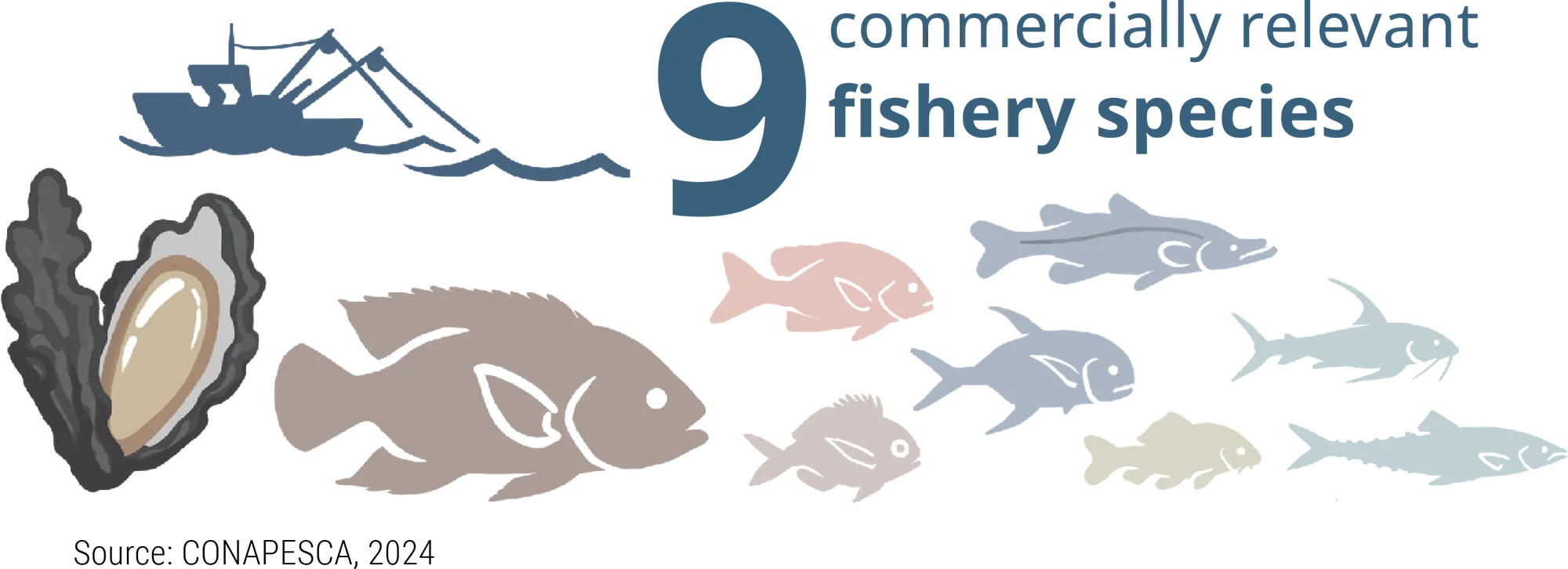
Tabasco Coast by the NUMBERS
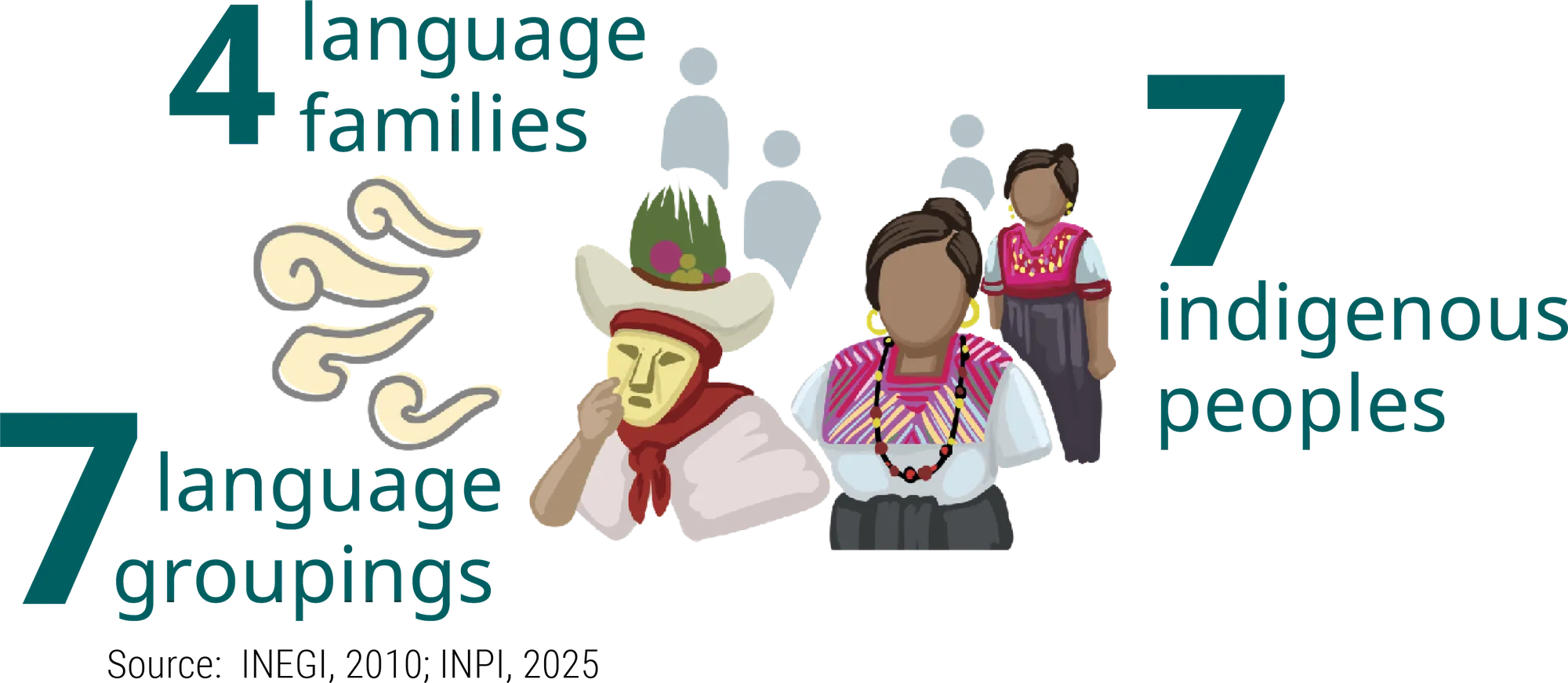
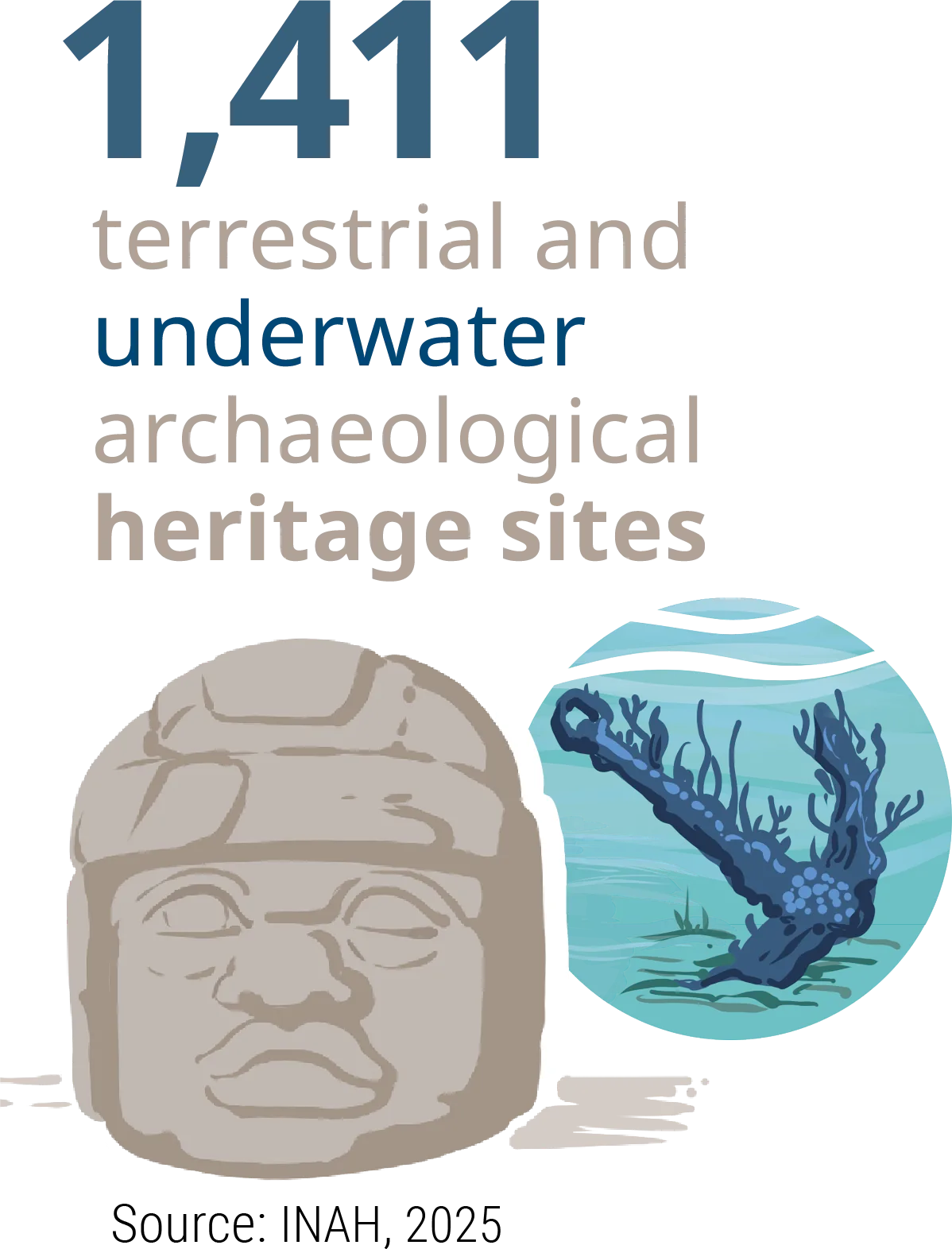
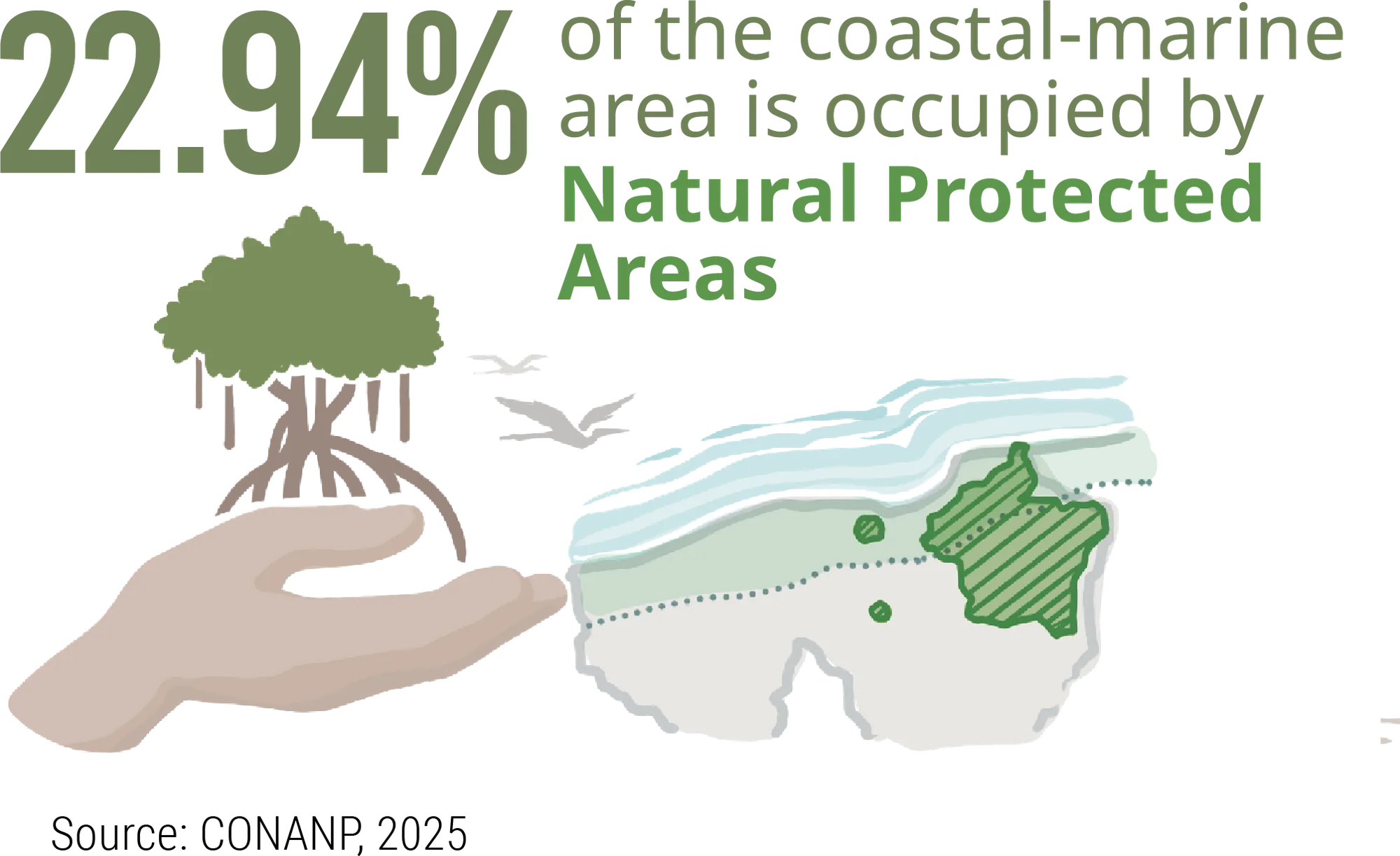
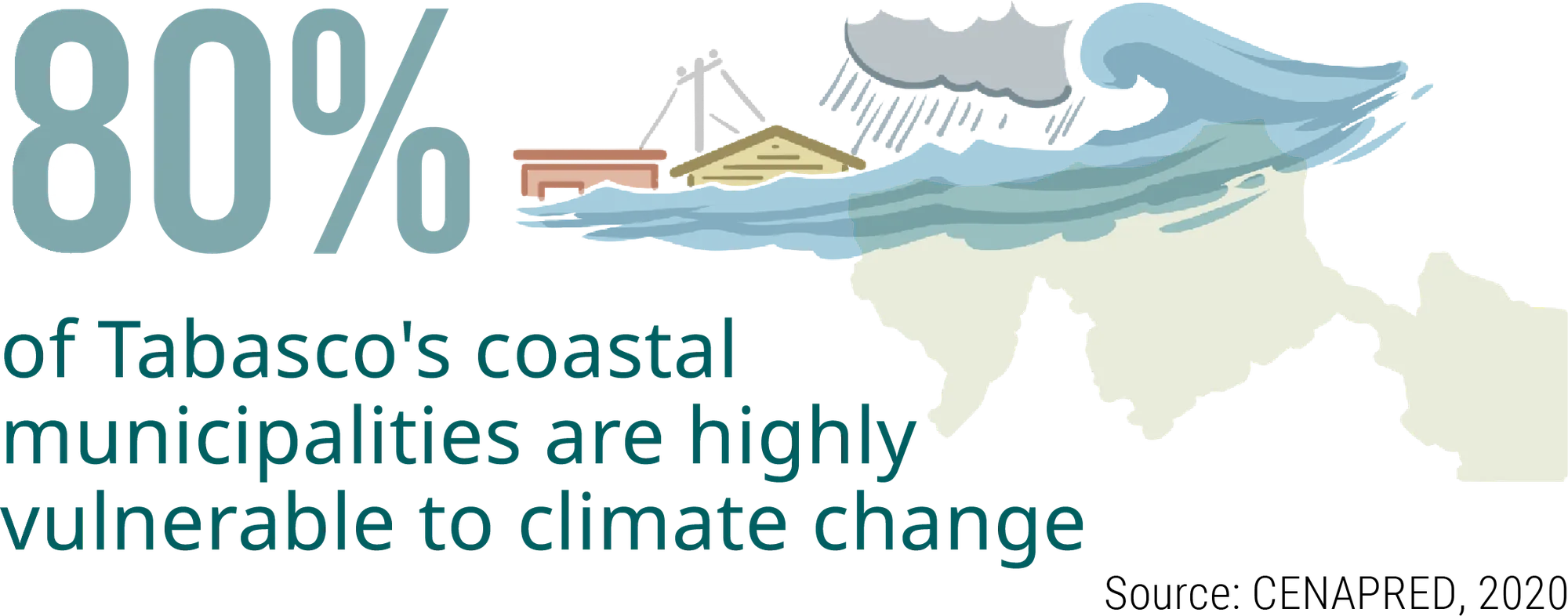
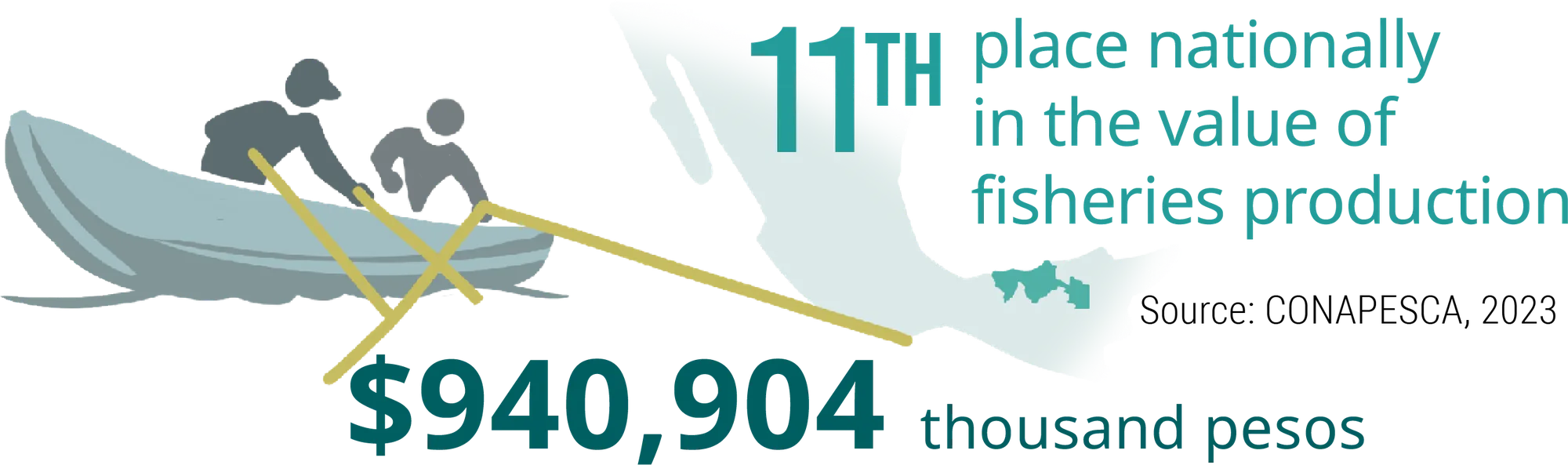
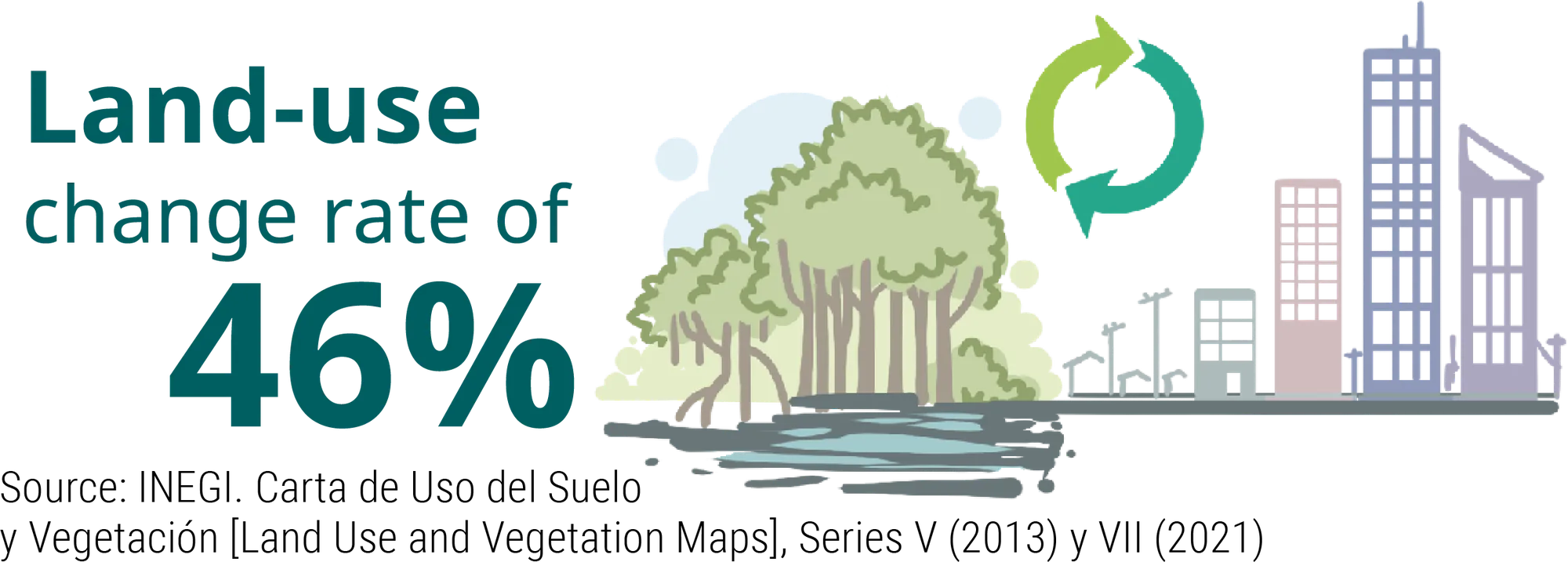


Importance of the Tabasco Coastal-Marine Zone
Implementation of the Strategic Action Programme for the Gulf of Mexico Large Marine Ecosystem (PAE GdM)
Coastal-Marine Zone Tabasco
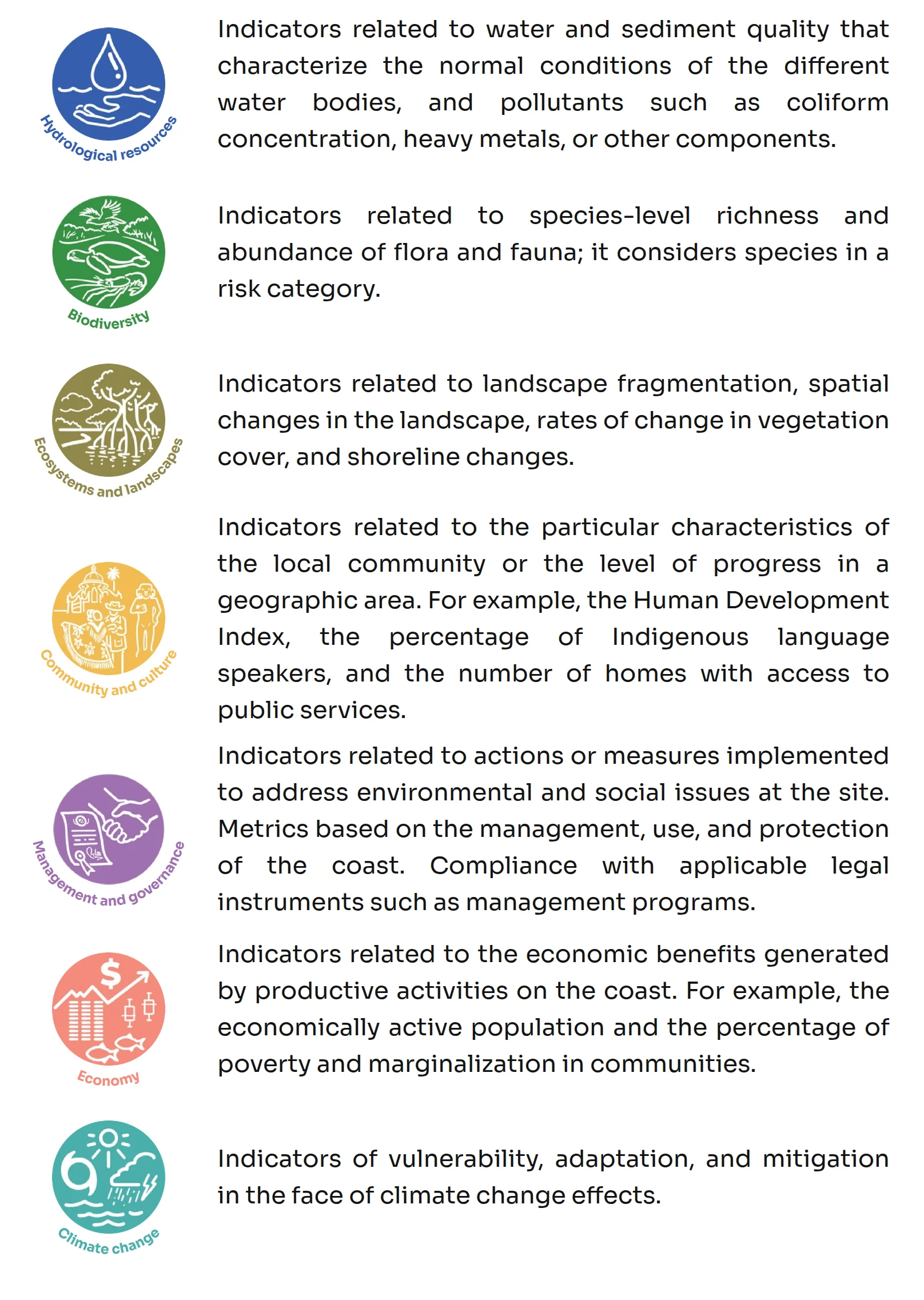
Thematic groups
↑ Select a thematic group to see its indicators
Indicators
INDICATORS
Coastal-Marine Zone
Tabasco
Thematic groups
↑ Select a thematic group to see its indicators
Indicators
STORIES FROM THE COAST

EL BOSQUE
Centla, Tabasco
Where the sea did not wash away hope

Photo: Equipo LANRESC-UNOPS
COASTAL-MARINE ZONE
TABASCO
THROUGH TIME
EVERYTHING IS CONNECTED: people and nature

RECOMMENDATIONS







PARTICIPANTS

Alejandro Alejandro, C., Betiz, M., Castellanos Aguilar, R., Castellanos, C., Cruz Hernández, A., De la Cruz Domínguez, C., Domínguez González, J., Domínguez, J., González Alejandro, A., Hernández Chablé, F., Hernández Chablé, G., Hernández de la Cruz, F., Hernández Gonzáles, C.A., Hernández Hernández, O., Hernández León, R., Hernández León, R., Hernández, C.G., Hernández, J., Martínez Gonzáles, A., Romero Gonzáles, M., Área Natural Protegida (ANP) Estatal Reserva Ecológica Río Playa; Frías Díaz, A.Y, CANACINTRA; De Dios Ovando, F., Hernández Castillo, L., Casa de los murciélagos, Ejido La Solución Somos Todos; Pantoja, A., Romero Gil, J.C., Casa del Agua; De la Cruz Castellanos, P., García Aguilar, S., Pérez Sánchez, L., Centro de Innovación y Transferencia Tecnológica Acuícola de Tabasco (CITTAT), Instituto Mexicano de Investigación en Pesca y Acuacultura Sustentables (IMIPAS); Montijo Galindo, A., Centro de Investigación en Alimentación y Desarrollo (CIAD), Programa SWIMM-HRI 2024; Ocaña Falcón, J.D., Centro de Investigación en Ciencias de Información Geoespacial; Macías Flores, V., Centro de Investigaciones Marinas de la Universidad de La Habana (CIM-UH), Programa SWIMM-HRI 2024; González Díaz, P., Centro de Investigaciones Marinas de la Universidad de La Habana (CIM-UH), Programa SWIMM-HRI 2025; Álvarez Sánchez, F.J., Andrade Velázquez, M., Apolinar, E., Chan Quijano, J.G., Hernández Alonso, A., Hidalgo Rodríguez, G., Peralta Carreta, C., Rojas Carranco, V.G., Rojas Valencia, A., Centro del Cambio Global y la Sustentabilidad A. C. (CCGS); González Méndez, J., Centro Nacional de Áreas Protegidas (CONANP), Programa SWIMM-HRI 2024; Gutiérrez García, C., Morales Notario, J.A., Velázquez Luna, R.G., Comisión Estatal de Derechos Humanos (CEDH); Martínez Calderón, R.E., Ramos, M., Comisión Estatal Forestal (COMESFOR); Acosta Torres, R.A., Aguirre Ramírez, M.G., Barba Mojica, F.J., Castrejón Guarneros, F.A., Cortés Alfaro, J.A., García Rivera, S., Hernández Espinoza, G., Mora Reyes, A., Robles Núñez, A.G., Sánchez Cruz, A.K., Santos Pérez, A., Toledo Gaytán, A.D., Vargas Moreno, H., Comisión Federal de Electricidad (CFE); Hernández Mendez, M., Ortiz Cordero, M.A., Peralta Juárez, C.M., Comisión Nacional de Áreas Naturales Protegidas (CONANP); Alexander, R., Ángulo Gaspar, P., De la Cruz Pérez, J., Gómez Gómez, M.A., Gómez Gonzáles, F., Gómez Jiménez, A., Reyes, R.E., Vital Rumebe, A., Comisión Nacional de Áreas Naturales Protegidas (CONANP)- Pantanos de Centla; Mendoza Quezada, L.E., Comisión Nacional de Pesca y Acuacultura Sustentables (CONAPESCA); Enriquez Avalos, I., Gutiérrez Acosta, C.R., Vargas Brooke, P., Comisión Nacional del Agua (CONAGUA); Caballero Aragon, H., Cerdeira Estrada, S., Comisión Nacional para el Conocimiento y Uso de la Biodiversidad (CONABIO); Castillo Castro, M.E., Reyes Zapata, N.L., Consejo de Ciencia y Tecnología del Estado de Tabasco (CCYTET); Andrade Arellano, O., Camacho Castillo, H., De la Cruz Félix, J.A., Pérez, A., Copesmar; Severino Ortega, T.A., Cultura Ecológica, A.C.; Aviles Macedo, A., Dirección General de Zona Federal Marítimo Terrestre y Ambientes Costeros (DGZFMTAC); Córdova Pérez, P., Ecomarine; Barba Macias, E., El Colegio de la Frontera Sur (ECOSUR); Hernández García, B., Ruiz Maraver, O.J., El Colegio de la Frontera Sur (ECOSUR), Programa SWIMM-HRI 2024; López Rosas, H., El Colegio de Veracruz; Hernández Rodríguez, C.Y., Hernández Rodríguez, J., El Negro Chon; Monjaraz Ramírez, I., Food and Agricultural Organization (FAO); Segura Jaques, F.J., H. Ayuntamiento de Comalcalco; Balcázar Sosa, A.A., De la Fuente Herrera, M.A., García Méndez, F., H. Ayuntamiento de Huimanguillo; Díaz Álvarez, A.G., Lara Mendoza, R.E., Instituto Mexicano de Investigación en Pesca y Acuacultura Sustentables (IMIPAS); Piñón Flores, M.A., Vázquez Bustos, C., Instituto Mexicano de Tecnología del Agua (IMTA); Barba Meinecke, H., Pizá Chávez, A.R., Instituto Nacional de Antropología e Historia (INAH)-SAS; Arano Recio, D.E., Instituto Nacional de Antropología e Historia (INAH)-Yucatán; Bonilla Chávez, J., Martínez Torres, L.D., Nava Assad, Y.S., Ortiz Ortiz, D.M., Pascual Montes, A., Rodríguez Hernández, A., Tánori Villa, C.A., Instituto Nacional de Ecología y Cambio Climático (INECC); Zavala Morales, G.F., Instituto Nacional de Economía Social (INAES); Villa Peralta, A. del P., Instituto Tecnológico Superior de Centla (ITSCe); Jiménez Rodríguez, D.J., Ruíz Rodríguez, C,J., IPN-CMP+L; Castillo Cupul, R.E., Kalanbio A.C.; Jean Louis, M., Lousiana State University (LSU), Programa SWIMM-HRI 2024; Shiba, J., New York University (NYU), Programa SWIMM-HRI 2024; Cubas Jiménez, F.G., Nube de Monte; Bustamante, A.K., García Martínez, M., Garzón Sosa, S.B., Ingalls, A.F., Rosales Ángeles, F., Oficina de las Naciones Unidas de Servicios para Proyectos (UNOPS); Santos López, I., Santos, I., Santos, S., Palapa Familiar La Punta; Ávila Guzmán, R.A., Granados Morales, C., Otero Sen, O.T., Villagomez de los Santos, M.C., Procuraduría Federal de Protección al Ambiente (PROFEPA); Ángulo, A.J.J., Carrillo Quiroz, M.A., Pulido Pérez, R., Protección al ambiente y desarrollo sustentable del municipio de Paraíso; Ávalos Hernández, O.A., Lobos Pacheco, G., Narváez Díaz, R., Sánchez Alejandro, F., Sánchez Rodríguez, H., S/I; Arellano Javier, E., Capil Méndez, S., Capil, E., Olán Carrillo, M., Wilson, A., Wilson, F., SCPP Andrés García; Chablé Díaz, D., Chablé Gómez, E., Chablé Ramírez, J., Cruz Chablé, A. del C., Cruz, G., Pérez, Q., Rigoberto, SCPP El Chivero; Díaz Gerónimo, J., Hernández Jiménez, T.J.R., López Hernández, M., Teofaní Pérez, L., Vázquez Zurita, J., SCPP Las Cazonas; Segura Gómez, A., Sequía de la Cruz, F. del C., SCPP Los Pénjamos de Paraíso; Osorio santos, E., SCPP Santuario del Cangrejo Azul; Casanova García, E., Secretaría de Cultura de Tabasco; Bautista Pérez Chacón, E.J., Berriel Bueno, D., Bobadilla Gámez, D.G., Cabrera Alonso, F.J., Guzmán Lerma, D.E., Guzmán Miranda, M., Morales Gutiérrez, W., Sánchez Medina, A.M., Suarez Peredo Zavala, M.E., Torres Chávez, R., Vera Rosado, M.G., Secretaría de Marina (SEMAR); Camacho Gumeta, E., Secretaría de Medio Ambiente y Desarrollo Sostenible (SEMADES); Burelos Jiménez, C.M., Cano Rentería, R., Cuevas Guillaumin, G., Narváez Ballesteros, R.I., Reyes García, M.T., Rodríguez Barrientos, J.A., Romero Vertti, E.M., Secretaria de Medio Ambiente y Recursos Naturales (SEMARNAT); Cerón Portuguez, P.I., Sánchez Flores, A., Secretaría de Turismo (SECTUR); López Mejía, S., Muro Hidalgo, K.A., SEDATU; Camarero Sánchez, A., Delgadillo Sierra, L.A., Galván Tovar, J.F., López Cuevas, D.A., Morales Hernández, L., Moreno Trujillo, L.I., Nava Hernández, V.A., Rojo Zentella, A.P., Romero Rodríguez, A., Servicio Nacional de Sanidad, Inocuidad y Calidad Agroalimentaria (SENASICA); Lee Hing, C., Stanford University (SU), Programa SWIMM-HRI 2024; Cantu de Leija, A., Texas A&M University-Corpus Christi (TAMUCC), Programa SWIMM-HRI 2024; Besonen, M., Texas A&M University-Corpus Christi (TAMUCC)- Harte Research Institute, Programa SWIMM-HRI 2024; Ávila Foucat, V.S., UNAM-IIEC; Aguilera Cauich, E.A., Universidad Autónoma de Yucatán (UADY); De la Cruz Rojas, E.A., Universidad Autónoma Metropolitana (UAM); Gálvez Acevedo, E.A., Universidad Central de Las Villas Marta Abreu (UCLV), Programa SWIMM-HRI 2024; Acosta Valladares, A., Universidad Central de Las Villas Marta Abreu (UCLV), Programa SWIMM-HRI 2025; Arzuaga Rosales, N., Vázquez Sánchez, V., Universidad de La Habana (UH), Programa SWIMM-HRI 2024; Bada Sanchez, E., Universidad de Victoria (UV), Programa SWIMM-HRI 2024; Gama Campillo, L., Morales Bautista, C.M., Ruíz Liévano, S., Universidad Juárez Autónoma de Tabasco (UJAT); Anacleto Rosas, A.D., Cruz Ascencio, M., Universidad Juárez Autónoma de Tabasco (UJAT)- División Académica de Ciencias Biológicas; Esqueda Lara, K., Simoes, N., Universidad Nacional Autónoma de México (UNAM); Popoca Cruz, P.E., Universidad Nacional Autónoma de México (UNAM) - Laboratorio Nacional de Ciencias de la Sostenibilidad; Martínez Vargas, J.A., Universidad Nacional Autónoma de México (UNAM)-Instituto de Ciencias del Mar y LImnología, Programa SWIMM-HRI 2024; Canseco Hernández, B., de Yta Castillo, D., Vidal Hernández, L.E., Universidad Nacional Autónoma de México (UNAM)-Programa SWIMM-HRI 2024; Irineo Mijangos, J.A., Universidad Tecnológica de Tabasco (UTTAB); Ruiz Buendía, R., Universidade Federal do Sul da Bahia (UFSB), Programa SWIMM-HRI 2024; Najera Medellin, J.A., University of Georgia (UG), Programa SWIMM-HRI 2024; Armada Tapia, S., Sima Rempel, H., University of Texas at Austin (UT-Austin), Programa SWIMM-HRI 2024; Hesselbach Moreno, H., Visto Bueno Consultores
Carmona Escalante, A., Gallegos Fernández, S., Granados Martínez, K.P., Hernández Cristerna, M.J., López Alcántara, V., Morales Méndez, D., Ortigosa Gutiérrez, J.D., Pérez Rivera, E.F., Reyes Aguilar, A.X., Rodríguez González, M.P., Vázquez Verdín, J.M.
Salles Afonso de Almeida, P., Ávila Foucat, V.S., Simões, N.
Guerra, A.
Government: 88; CSO: 74; Academic: 46; Private: 3; ND: 3
PARTICIPATING INSTITUTIONS























ABOUT THE REPORT CARD
This Report Card was developed from two virtual workshops held from September 4 to 6, 2024, and from August 6 to 8, 2025, with a total of 136 participants. A field phase was also carried out from March 8 to 14, 2025, with 78 participants interviewed and 15 key communities visited. The Report Card followed the guide for developing report cards by Costanzo et al. (2017), adapted by LANRESC.
This Report Card was produced with funds from the subproject 'Development of five Report Cards in the Gulf of Mexico,' code UNOPS012, executed by the National Laboratory for Coastal Resilience (LANRESC) and administered by the Institute of Engineering of the Universidad Nacional Autonoma de Mexico (UNAM), within the framework of the GoM SAP Implementation project, financed by the GEF and supported by UNEP, UNOPS, and SEMARNAT. It was co-financed by the Coordination of Scientific Research of UNAM. We thank CCGS and IMIPAS for their support during fieldwork.
The content of this document is intended for educational and general outreach purposes. The information was provided and validated by the workshop participants themselves. The data supporting this Report Card were collected as of November 21, 2025. The purpose of this tool is to support informed decision-making; however, decision-making should not be limited only to the information presented in this document.